Are the markers we use in cardiovascular prognosis correct?
Written on: Oktubre 18, 2017
Are the markers we use in cardiovascular prognosis correct? - Hi friends, I hope you are all in good healthTRENSNVIRAL, In the article you are reading this time with the title Are the markers we use in cardiovascular prognosis correct? , We have prepared this article well for you to read and take information in it. hopefully the contents of the post
Artikel aquaculture,
Artikel aquafeed,
Artikel cardiovascular risk, what we write you can understand. ok, happy reading.
Title : Are the markers we use in cardiovascular prognosis correct?
link : Are the markers we use in cardiovascular prognosis correct?

Probably, the most difficult question that we need to answer as scientists working in the interface of Aquaculture and Health Sciences is this one: are the markers we use in cardiovascular prognosis correct?
It is a rather hard question; no easy answer is available. Latest publications which suggest that the current markers we are using in the prognosis of Cardiovascular Diseases (CVDs) are probably wrong.
According to (Fielding, 2017) : in 2004, the ‘Ω-3 index’ was described as the sum of eicosapentaenoic acid (EPA, 20 : 5 n-3) and docosahexaenoic acid (DHA, 22 : 6 n-3) in red blood cells (RBCs) as an index of coronary heart disease mortality.
However, recent studies have reported differential metabolism of EPA and DHA. High-dose supplementation with EPA and DHA led to increased levels of RBC DHA that were associated with decreased liver fat.
In summary, dietary intake or supplementation studies with n-3 fatty acids should include measurement of n-3 status in a standardized way.
The Ω-3 index, reflecting EPA and DHA status throughout the body, is convenient and may be appropriate in some cases, but as EPA and DHA assimilate differently in membranes, and have different potency, measurement of individual fatty acid composition in RBCs may be more informative.
In another recent paper, (Givens, 2017) reports the fact that it is now generally accepted that the effects of reducing intake of Saturated Fatty Acids (SFA) are dependent on what replaces them in the diet.
Reduced CVD risk has been associated with replacement of SFA with cis-polyunsaturated fatty acids (cis-PUFA) and/or cis-monounsaturated fatty acids (cis-MUFA), with replacement by carbohydrate leading to no reduction or even increased CVD risk.
For references and to read the full article, click HERE.
You are now reading the article Are the markers we use in cardiovascular prognosis correct? with link address https://trensnviral.blogspot.com/2017/10/are-markers-we-use-in-cardiovascular.html
Title : Are the markers we use in cardiovascular prognosis correct?
link : Are the markers we use in cardiovascular prognosis correct?
Are the markers we use in cardiovascular prognosis correct?
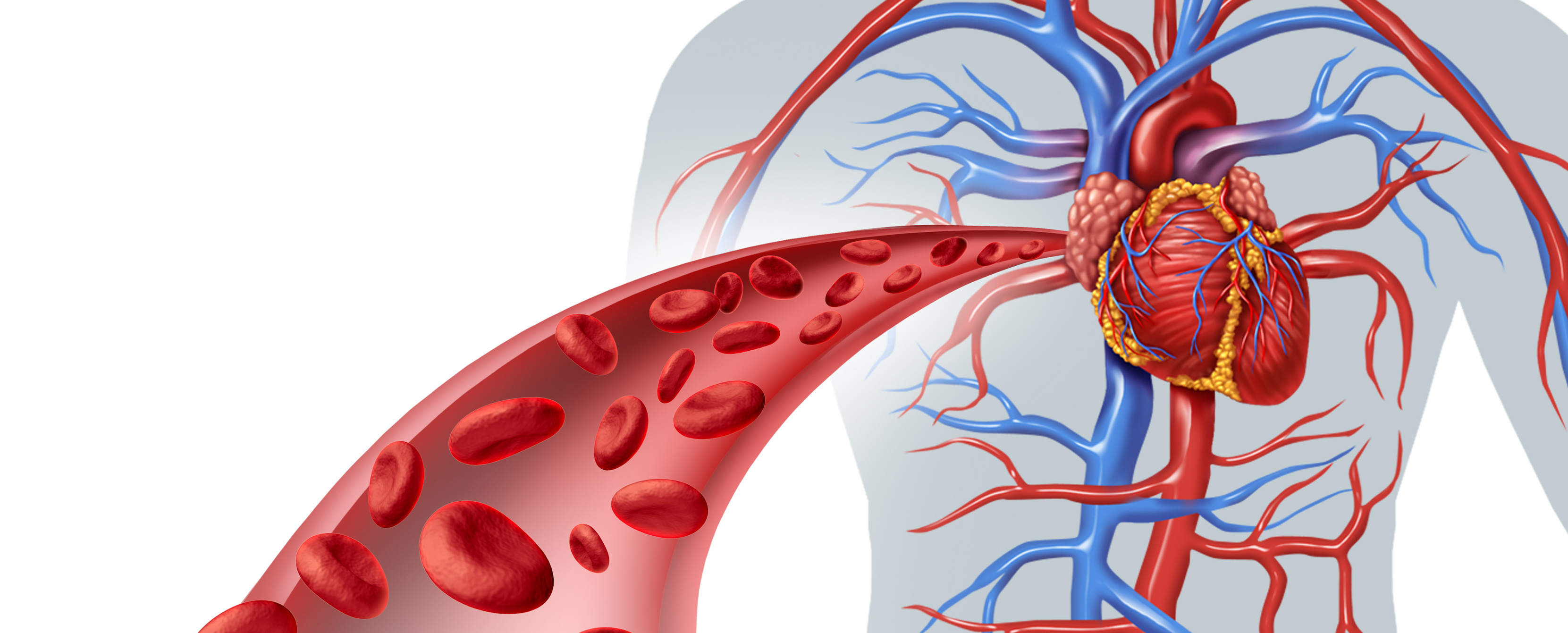
Probably, the most difficult question that we need to answer as scientists working in the interface of Aquaculture and Health Sciences is this one: are the markers we use in cardiovascular prognosis correct?
It is a rather hard question; no easy answer is available. Latest publications which suggest that the current markers we are using in the prognosis of Cardiovascular Diseases (CVDs) are probably wrong.
According to (Fielding, 2017) : in 2004, the ‘Ω-3 index’ was described as the sum of eicosapentaenoic acid (EPA, 20 : 5 n-3) and docosahexaenoic acid (DHA, 22 : 6 n-3) in red blood cells (RBCs) as an index of coronary heart disease mortality.
However, recent studies have reported differential metabolism of EPA and DHA. High-dose supplementation with EPA and DHA led to increased levels of RBC DHA that were associated with decreased liver fat.
In summary, dietary intake or supplementation studies with n-3 fatty acids should include measurement of n-3 status in a standardized way.
The Ω-3 index, reflecting EPA and DHA status throughout the body, is convenient and may be appropriate in some cases, but as EPA and DHA assimilate differently in membranes, and have different potency, measurement of individual fatty acid composition in RBCs may be more informative.
In another recent paper, (Givens, 2017) reports the fact that it is now generally accepted that the effects of reducing intake of Saturated Fatty Acids (SFA) are dependent on what replaces them in the diet.
Reduced CVD risk has been associated with replacement of SFA with cis-polyunsaturated fatty acids (cis-PUFA) and/or cis-monounsaturated fatty acids (cis-MUFA), with replacement by carbohydrate leading to no reduction or even increased CVD risk.
For references and to read the full article, click HERE.
That's the article Are the markers we use in cardiovascular prognosis correct?
That's it for the article Are the markers we use in cardiovascular prognosis correct? this time, hopefully can be useful for all of you. okay, see you in another article post.
You are now reading the article Are the markers we use in cardiovascular prognosis correct? with link address https://trensnviral.blogspot.com/2017/10/are-markers-we-use-in-cardiovascular.html